


The human experience is inextricably bound to the relationships we forge throughout our lives. Among these, the lifelong partnership—whether bound by marriage, deep friendship, or familial devotion—stands as one of the most profound testaments to human connection. When we commit to sharing our lives with another person, we weave our narratives together, creating a shared history that transcends individual experiences. It is only natural, then, that when the time comes to commemorate such a life, we seek ways to honor not just the individuals, but the unbreakable bond they shared. This is the profound purpose of companion monuments.
Companion monuments, often referred to as double headstones or joint memorials, are grave markers designed to commemorate two or more individuals together. They serve as a lasting physical representation of a relationship that endured the tests of time, joy, sorrow, and ultimately, mortality. By providing a shared resting place and a unified tribute, these monuments offer a unique and powerful way to celebrate lifelong relationships, providing comfort to grieving families and leaving an enduring legacy for future generations.
The Historical Tapestry of Shared Mourning
The desire to be buried alongside loved ones is not a modern phenomenon. Throughout human history, archaeological excavations have revealed joint burials across various cultures and eras. From the intertwined skeletons found in ancient Neolithic sites to the elaborate dual sarcophagi of European nobility, the physical proximity in death has long been a symbol of emotional closeness in life.
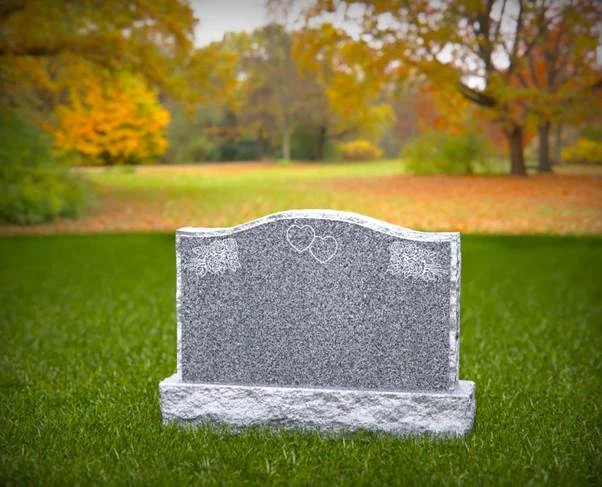
However, the widespread use of the companion monument as we recognize it today began to take definitive shape during the 19th century. The Victorian era, with its deeply romanticized views on love, death, and mourning, heavily influenced memorialization practices. Cemeteries transformed from austere graveyards into beautifully landscaped “rural cemeteries,” designed to be places of peaceful reflection. In this environment, families began to purchase larger family plots, and spouses increasingly opted for unified headstones that visually represented their eternal reunion. The concept of “until death do us part” was lovingly challenged by memorials that suggested a bond continuing far beyond the physical realm.
Today, this tradition continues to evolve. Modern companion monuments are less about adhering to rigid historical traditions and more about authentic, highly personalized storytelling. They are canvases of stone or bronze where the unique narrative of a specific couple is permanently inscribed.
Architectures of Remembrance: Types of Companion Monuments
The choice of a monument’s physical shape is the first step in the design process. The architecture of the stone dictates how the memorial interacts with its environment and how the story is presented to the viewer.
Here are the primary architectural styles used for companion monuments:
- Upright Monuments: This is the most traditional and prominent style. It consists of a vertical “tablet” set upon a solid “base.” Upright monuments offer the largest surface area, making them ideal for elaborate engravings, lengthy epitaphs, and intricate symbolic artwork. Because of their stature, they stand as highly visible testaments to the couple’s legacy.
- Slant Markers: These monuments feature a front face that slopes backward at a steep angle. They are shorter than upright monuments but still easily visible from a distance. The slanted face provides a highly readable surface for names and dates, and they often strike a balance between traditional presence and modern subtlety.
- Bevel Markers: Also known as pillow markers, these are low to the ground but have a slightly beveled top, meaning the back is a few inches higher than the front. This slight angle keeps debris and water off the lettering and makes the inscription easier to read than a completely flat stone.
- Flush (or Flat) Markers: Set completely level with the ground, these markers are often required by “memorial park” style cemeteries to maintain a pristine, park-like landscape. While they offer less space for elaborate design, modern techniques allow for detailed bronze plaques or deeply etched granite to be used effectively.
- Memorial Benches: A beautiful alternative or addition to a traditional headstone, granite benches invite visitors to sit, rest, and reflect. They can be inscribed on the backrest or the seat itself, offering a functional and deeply comforting place of remembrance for a couple.
The Foundation of Memory: Choosing the Right Material
The material chosen for a companion monument dictates not only its aesthetic appeal but also its longevity and how it will weather the elements over decades and centuries.
| Material Type | Aesthetic Characteristics | Durability & Maintenance | Typical Cost Profile |
| Granite | Highly versatile. Available in numerous colors (grays, blacks, reds, blues, greens). Can be polished to a high shine or left rugged. | Exceptional durability. Highly resistant to weathering, scratching, and fading. Requires minimal maintenance. | Moderate to High (varies significantly by color rarity and stone origin). |
| Bronze | Classic, elegant, and timeless. Develops a distinct patina over time. Often mounted on a granite base. | Extremely durable metal. Will not chip or crack. Periodic cleaning is required to maintain the original finish if desired. | High (due to the cost of metal casting and intricate detailing). |
| Marble | Traditional, soft, and luminous. Features natural, distinct veining. Evokes classical art and architecture. | Less durable than granite. Susceptible to erosion from acid rain and weathering over time. Details may blur after many decades. | Moderate (but high long-term maintenance/restoration potential). |
The Language of Stone: Symbolism and Epitaphs
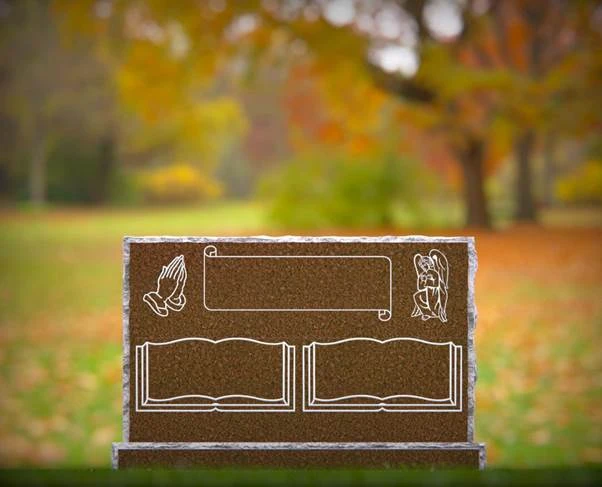
What truly transforms a piece of quarried stone into a deeply moving tribute is the personalization etched upon it. For a companion monument, the design elements must speak to two individual lives, as well as the life they built together.
1. Symbolic Carvings
Symbols transcend language, offering immediate emotional resonance. For companion monuments, certain motifs are frequently chosen to represent unity:
- Intertwined Rings: The most direct symbol of marriage, representing an unbroken, eternal bond.
- Two Doves: Often depicted facing each other or flying together, symbolizing peace, love, and a shared spiritual journey.
- An Open Book: A beautifully carved book with pages open, where each partner’s information is listed on a facing page, symbolizing the two chapters of a shared story.
- Trees and Vines: Oak leaves for strength, ivy for undying affection, or intertwined branches representing lives that have grown together.
2. The Epitaph
Crafting the epitaph for a shared memorial is a profound task. It must encapsulate a lifetime of shared experiences in just a few words. Common approaches include:
- Scriptural or Poetic: “Love never fails,” or “Two lives, one love.”
- Descriptive of the Bond: “Together forever,” “Devoted parents and loving partners.”
- Chronological: Noting the date of marriage (e.g., “Married May 12, 1968”), which anchors their relationship in time.
The Process of Creation and Pre-Planning
The creation of a companion monument is a detailed process that blends artistry with logistics. It often occurs during a time of grief, though increasingly, couples are choosing to design their shared monuments in advance (pre-planning).
The Steps of Creating a Shared Memorial:
- Cemetery Consultation: Before any design work begins, the specific rules and regulations of the chosen cemetery must be reviewed. Cemeteries dictate the size, style, and sometimes even the material of the monuments allowed in specific sections.
- Design and Conceptualization: The family meets with a memorial counselor or designer to choose the style, material, color, and artwork. This involves selecting fonts, arranging the layout of names and dates, and drafting the epitaph.
- Drafting and Approval: A scaled digital or physical proof (a CAD drawing) is created. The family reviews this meticulously to ensure all names are spelled correctly, dates are accurate, and the visual balance is pleasing.
- Crafting and Engraving: Once approved, the stone is cut and shaped. Expert artisans use techniques like sandblasting for deep, traditional lettering, or laser etching for highly detailed imagery, such as replicating a wedding photograph directly onto black granite.
- Delivery and Installation: The finished monument is transported to the cemetery and carefully installed on a poured concrete foundation to ensure it remains level and secure for generations.
Pre-planning a companion monument has become a deeply practical and compassionate choice for many couples. By making these decisions together while both are still living, they relieve their surviving family members of the emotional and financial burden of designing a monument during a period of acute grief. Furthermore, it ensures that the monument accurately reflects the exact wishes and shared aesthetic of the couple. It is a final act of collaboration.
Psychological Comfort for the Living
Beyond honoring the deceased, companion monuments serve a vital psychological function for the living. Grief is a disorienting experience; it unmoors us from our familiar reality. A physical monument provides a focal point for that grief—a tangible, permanent location where mourners can go to feel close to those they have lost.
When a lifelong relationship ends in death, the surviving partner often experiences profound isolation. When the time comes that they, too, pass away, their reunion in the form of a shared resting place offers immense psychological comfort to their children, grandchildren, and friends. Visiting a companion monument is fundamentally different from visiting a single grave. It is not just a reminder of loss; it is a visual affirmation of enduring love. It tells the viewer that while these individuals have departed, the bond they created was strong enough to be carved in stone. It transforms a site of mourning into a site of historical romance and familial legacy.
Conclusion
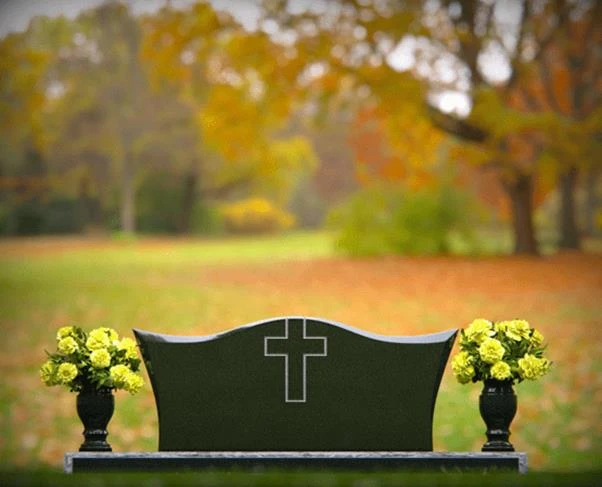
The creation of a companion monument is an act of deep reverence. It is a refusal to let the story of a powerful relationship fade into obscurity. Through careful selection of materials, thoughtful design, and deeply personal inscriptions, these stones stand as silent sentinels, guarding the memories of those who walked through life hand-in-hand. They remind us that while our individual lives are finite, the love we share and the bonds we forge can leave an indelible mark on the world.
Whether an imposing granite upright monument or a quiet bronze plaque resting in a sunlit meadow, the shared headstone serves as the final chapter in a couple’s physical journey. It is a space where grief and gratitude intersect, allowing families a place to mourn the passing of time, while simultaneously celebrating the eternal nature of true connection.
Key Elements in Designing a Legacy
| Element of Monument | Purpose and Impact | Decision Considerations |
| Material Selection | Determines longevity and base aesthetic. | Climate of the cemetery, budget constraints, and desired maintenance level. |
| Architectural Style | Dictates visibility and available space for storytelling. | Cemetery regulations, personal preference for prominence versus subtlety. |
| Symbolic Engravings | Visually communicates the couple’s values, faith, or passions. | Shared hobbies, religious beliefs, or universal symbols of love and unity. |
| The Epitaph | The verbal legacy left for future generations to read. | Tone (formal, poetic, casual), inclusion of marriage dates, or shared life mottos. |
When families embark on this emotional journey of memorialization, finding guidance from experienced professionals is paramount to ensure the final tribute is as enduring as the love it represents. The artisans and counselors at Memory Stones understand the profound weight of this task, helping families translate lifetimes of shared memories into timeless tributes of stone and bronze. Ultimately, a companion monument is not just about marking the end of a life; it is about celebrating the enduring power of a life shared together.

