


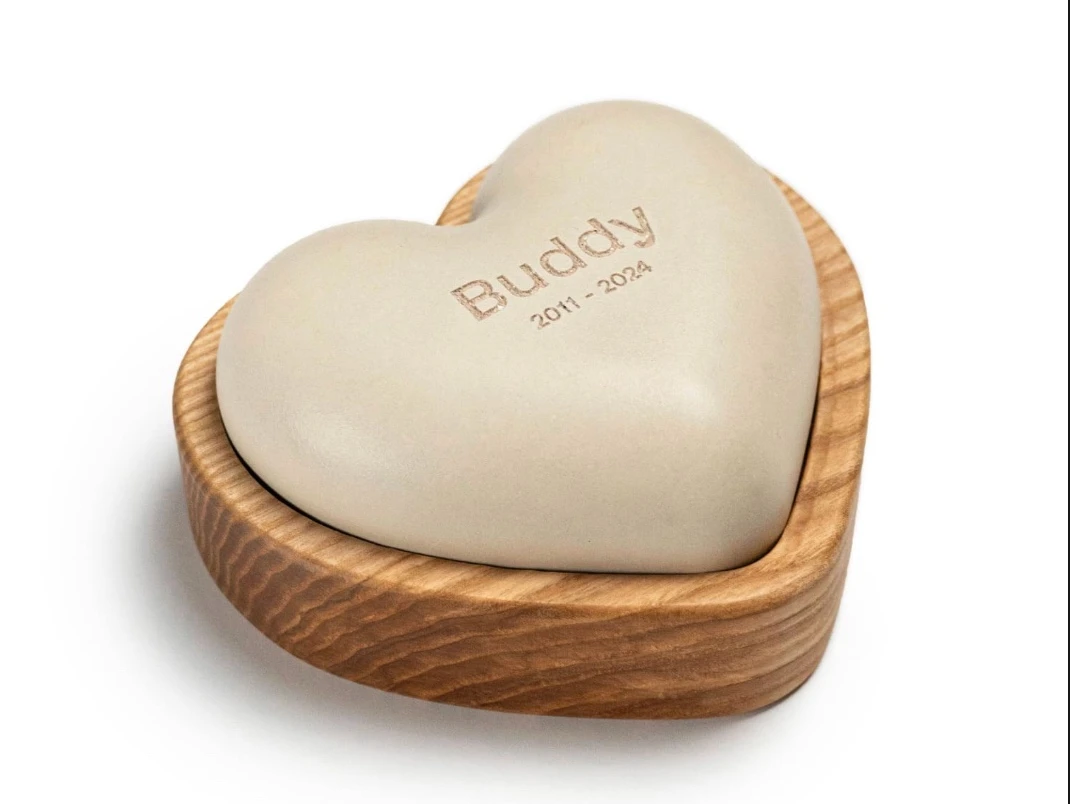
In recent years, families have been looking for more personal and lasting ways to honor the memory of loved ones. Traditional forms of remembrance remain important, yet many people also want something intimate that can stay close to them in everyday life. This is why memorial keepsakes made after cremation have become more meaningful for families who value both symbolism and emotional connection.
A memorial object is not only a physical item. It represents love, memory, continuity, and respect for a life that mattered. For some people, such a keepsake becomes a quiet source of comfort. For others, it is a way to create a peaceful place for remembrance at home. In both cases, the purpose is the same: to preserve a bond and give memory a gentle, tangible form.
Today, remembrance is becoming more individual. Families live in different cities and countries, travel more often, and may not always be able to visit one specific place regularly. Because of this, people increasingly choose memorial products that allow memory to remain present wherever life takes them. A symbolic keepsake can become part of daily life while still retaining dignity and deep personal meaning.
Why People Choose a Stone from Human Ashes
For many families, a stone from human ashes is a deeply symbolic memorial choice. The image of stone itself carries strong meaning. It suggests strength, endurance, stability, and permanence. When memory is expressed through such a form, it can reflect the wish to preserve the presence of a loved one in a way that feels calm, elegant, and enduring.
Unlike objects that are purely decorative, memorial stones often carry emotional weight that is known mainly to the owner and close family members. They can be placed in a private interior, kept in a personal memory space, or incorporated into a family remembrance ritual. Their value lies not only in appearance, but also in what they represent: a life remembered with care.
Many people appreciate this form of memorial because it is discreet. It does not have to be openly displayed in a ceremonial or formal context. Instead, it can exist quietly within the home, becoming part of the emotional landscape of everyday life. That quiet presence is often exactly what grieving families need.
The Emotional Meaning Behind Memorial Stone Keepsakes
Stone as a memorial material often feels timeless. It does not suggest fragility or temporary remembrance. Instead, it conveys continuity. For a grieving person, that symbolism can be powerful. It may reflect the belief that while physical presence is gone, love and memory remain.
A stone memorial may also support the grieving process by providing a point of focus. In times of loss, many people benefit from having something they can see, hold, or simply keep nearby. A carefully made memorial object cannot remove grief, but it can help shape it into something that feels more bearable and more personal.
Memorial Keepsakes for Beloved Pets
The bond between people and their pets is often profound. A dog, cat, or other companion animal becomes part of the rhythm of everyday life, part of family traditions, and part of emotional security. When a pet dies, the sense of absence can be very intense. That is why more people are choosing memorial items created in honor of beloved animals.
Pet remembrance is no longer treated as something secondary or less meaningful. Families understand that grief after losing a pet is real and deeply personal. A memorial keepsake can help recognize that bond and preserve it in a respectful form. It becomes a way to say that this life mattered, that this companionship was real, and that the memory deserves care.
For many people, pet memorials https://www.spogads.com/pets are especially important because animals are woven into the most ordinary and cherished moments of life. They are present in routines, in comfort, in silence, and in joy. A keepsake created in their memory helps those moments remain emotionally close.
How Memorial Keepsakes Support the Grieving Process
Grief is not linear, and it does not follow one universal pattern. Some people want visible rituals, while others seek private forms of remembrance. A memorial keepsake can support both. It can be part of a quiet personal ritual, or it can become a meaningful element shared within the family.
What makes these keepsakes especially valuable is their ability to offer continuity. Loss often creates a painful feeling of interruption. A symbolic object can help restore a sense of connection. It does not replace the person or the pet who has died, but it can help preserve their emotional presence in a form that feels stable and loving.
- It offers a private and comforting focus for remembrance.
- It helps transform grief into a meaningful ritual of memory.
- It creates a sense of closeness in daily life.
- It supports emotional continuity for families and individuals.
Modern Memorial Design and Personal Meaning
Today’s memorial products are often designed with subtlety and elegance. Families increasingly prefer forms that are refined, minimal, and suitable for private spaces. This does not reduce emotional significance. On the contrary, thoughtful design often makes remembrance feel more personal and sincere.
A meaningful memorial keepsake should reflect more than function. It should carry emotional intention. Shape, texture, material, and finishing details all influence how the object is perceived and experienced. A well-crafted memorial item feels respectful not only because of what it contains, but because of how carefully it has been created.
Personalization also plays an important role. Every life is different, every bond is unique, and every family remembers in its own way. A memorial object that feels personal is more likely to become a lasting part of that family’s emotional history.
Why Personalization Matters
A generic object may be beautiful, but a personalized memorial keepsake has deeper value. It can reflect the character of the person being remembered, the nature of the relationship, or the emotional tone the family wants to preserve. Some people choose simplicity, while others are drawn to designs inspired by nature, peace, or quiet strength.
Personalized remembrance does not need to be elaborate to be powerful. Often, it is the restraint and sincerity of the object that makes it meaningful. The best memorial pieces leave space for private interpretation while still expressing love and memory with dignity.
What Families Value When Choosing Memorial Products
Choosing a memorial product is never an ordinary purchase. Families are making an emotional decision during a sensitive time. Because of this, quality and trust matter greatly. People want to feel sure that the object will be made with care, respect, and attention to detail.
Visual appearance is important, but it is not the only factor. Families also want clarity about the process, confidence in craftsmanship, and reassurance that the finished keepsake will be durable and worthy of its meaning. Good memorial design combines aesthetics with emotional intelligence.
- High-quality materials and careful craftsmanship
- A calm, respectful, and elegant appearance
- Clear communication and transparent process
- A sense of privacy and emotional sensitivity
- The opportunity for an individual and meaningful result
The Importance of Discreet and Lasting Remembrance
Not everyone wants remembrance to be public. Many people prefer private symbols of memory that remain close without drawing attention. This is one reason memorial keepsakes have become so important in modern life. They allow memory to be present in a way that is intimate rather than ceremonial.
Discreet remembrance can be especially meaningful in home environments. A memorial stone or keepsake can be placed where it naturally belongs, becoming part of a calm personal space. It may not be recognized by visitors as a memorial object, yet for the owner it can carry profound significance.
This balance between privacy and permanence is one of the most valuable qualities of memorial keepsakes. They do not demand attention, but they continue to hold meaning every day.
Memorial Keepsakes as Part of Family Memory
Memory is often shared across generations. Families tell stories, preserve traditions, and pass on symbols that help keep important lives present in collective memory. A memorial keepsake can become one of those symbols. It may represent not only one person or one pet, but also the love, care, and continuity of a family itself.
In this sense, a memorial object can become part of a broader heritage of remembrance. It may help children, siblings, parents, or future generations feel connected to someone they loved or to a story they want to honor. When crafted thoughtfully, such a keepsake becomes more than an object. It becomes a vessel of emotional history.
A Contemporary Way to Keep Love Present
Modern remembrance is increasingly shaped by personal values. People want memory to feel real, close, and integrated into life rather than separated from it. Memorial keepsakes respond to that need. They offer a way to preserve love in a form that is gentle, lasting, and emotionally honest.
Whether chosen in honor of a family member or a beloved pet, these objects can serve as quiet companions in the grieving journey. They do not replace presence, but they help preserve connection. That is why they matter so deeply to so many people.
A thoughtful memorial keepsake is not simply about loss. It is also about gratitude, continuity, and the wish to carry love forward. In that sense, it becomes not only a remembrance of what has ended, but also a reflection of what remains.
Conclusion
Memorial products created in connection with cremation offer families a deeply personal way to preserve memory. A stone from human ashes can symbolize stability, dignity, and enduring love, while pet memorial keepsakes honor the unique emotional bond people share with companion animals. Both forms respond to a modern need for remembrance that is intimate, meaningful, and lasting.
As more people seek thoughtful and elegant ways to honor those they have lost, memorial keepsakes continue to grow in importance. They bring together emotion, craftsmanship, symbolism, and personal meaning. Most importantly, they allow memory to remain close in a way that feels sincere, respectful, and quietly powerful.

