


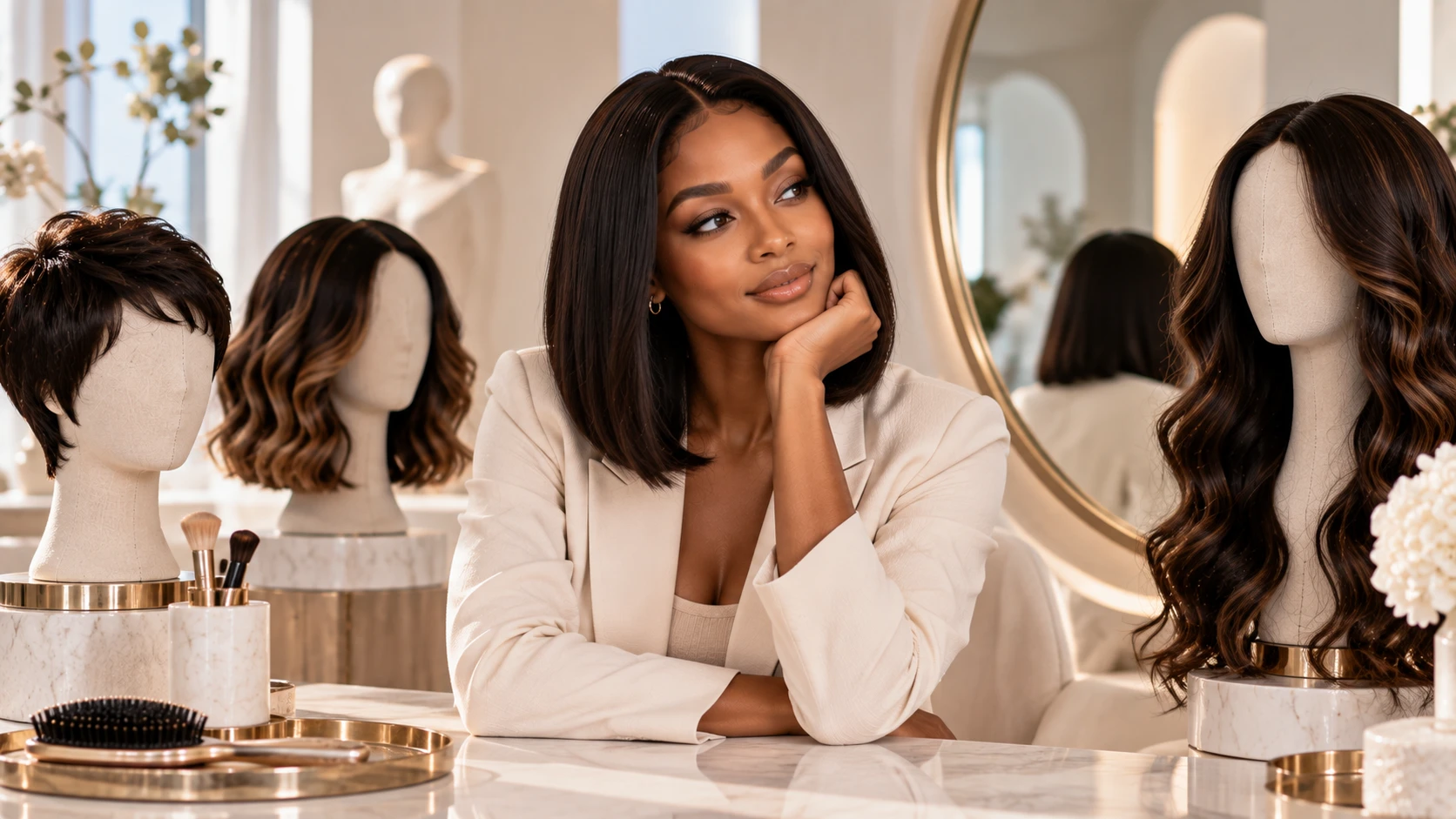
A wig can completely change the way the face looks. The length, volume, parting, layers, and overall silhouette of a hairstyle can emphasize certain features and create a different visual balance. This is why choosing a wig is not only about finding a beautiful texture or color. The shape of the hairstyle also matters.
When exploring different wig options, https://mellowdiamond.com/ can be a useful starting point for comparing styles and imagining how different silhouettes might work with your features. Instead of choosing a wig only because you like the way it looks on a model, consider how its proportions could interact with your own face shape.
There are no strict rules that say a particular face shape can only wear one type of wig. Personal style is always more important than a list of traditional beauty guidelines. However, understanding proportions can make it easier to decide between short, medium, and long styles, as well as between sleek, layered, curly, and voluminous options.
Why Face Shape Matters When Choosing a Wig?
Different hairstyles create different visual lines around the face. A short bob can emphasize the jawline, while long layers can visually elongate the appearance of the face. Waves can add width, whereas a sleek style can create a more streamlined silhouette.
The goal is not necessarily to make your face look like a particular shape. Instead, you can use hairstyle proportions to highlight the features you like most and create the overall impression you prefer.
For example, someone who wants more volume around the cheeks may choose a textured style with movement in that area. Someone who prefers a more elongated appearance might choose longer layers that fall below the chin.
How to Identify Your Face Shape?
Before choosing a hairstyle, it can help to identify the general shape of your face. Most people do not fit perfectly into one category, and many faces combine characteristics from several shapes.
Look at your forehead, cheekbones, jawline, and the overall length of your face. You can also take a straight-on photo with your hair pulled away from the face and observe the general outline.
Common Face Shapes
- Oval
- Round
- Square
- Heart-shaped
- Oblong
- Diamond
These categories are simply useful reference points. You do not need to identify your face with complete precision before choosing a wig.
Wigs for an Oval Face Shape
An oval face is often characterized by balanced proportions, with the face being somewhat longer than it is wide and the jawline slightly narrower than the cheekbone area.
Because the proportions are relatively balanced, many different wig silhouettes can work well. Short cuts, long waves, straight styles, curls, layered looks, and side parts can all create attractive results.
Styles to Consider
- Long layered wigs
- Classic bobs
- Soft waves
- Loose curls
- Straight styles
- Side-parted hairstyles
- Shoulder-length cuts
If you have an oval face and want to experiment, you have considerable freedom. Instead of focusing heavily on face-shape rules, consider your lifestyle, preferred styling routine, and the overall image you want to create.
Wigs for a Round Face Shape
A round face generally has softer angles, with the width and length appearing relatively similar. Hairstyles can be used to introduce vertical lines and create additional definition.
Longer wigs that fall below the chin can visually lengthen the silhouette. Layers that begin below the cheekbones can also help create movement without adding unnecessary width directly at the widest part of the face.
Styles to Consider
- Long layered wigs
- Side-parted styles
- Long loose waves
- Styles with volume toward the crown
- Asymmetrical bobs
- Long straight hairstyles
If you love curls, you do not have to avoid them. Consider curls that create movement along the length rather than concentrating significant volume directly around the cheeks.
Wigs for a Square Face Shape
A square face often has a more defined jawline and forehead, creating a strong angular appearance. Softer textures and curved lines can provide an interesting contrast.
Waves and curls can soften the visual effect of straight lines. Layered hairstyles can also introduce movement around the sides of the face.
Styles to Consider
- Soft waves
- Layered medium-length wigs
- Long curls
- Side-swept styles
- Textured bobs
- Face-framing layers
A sleek straight bob can also look striking on a square face. The important consideration is the overall effect you want. If you enjoy emphasizing your jawline, a structured cut may be exactly what you prefer.
Wigs for a Heart-Shaped Face
A heart-shaped face is typically wider around the forehead and cheekbones and narrower toward the chin. Hairstyles with movement around the lower part of the face can help create visual balance.
Medium and long hairstyles can be particularly versatile. Waves that begin around the jawline or lower can add movement where it is needed without creating excessive width near the forehead.
Styles to Consider
- Shoulder-length waves
- Long layered hairstyles
- Side-swept bangs
- Chin-length textured styles
- Loose curls
- Soft side parts
If you enjoy bangs, side-swept or softly textured versions can create a different effect from a very heavy, straight fringe. Again, personal preference should remain the deciding factor.
Wigs for an Oblong Face Shape
An oblong face tends to appear longer than it is wide, often with a relatively straight outline. Hairstyles that introduce horizontal movement or volume at the sides can create a balanced visual effect.
Medium-length waves, curls, layered cuts, and styles with fullness around the cheekbone or jaw area can be useful options.
Styles to Consider
- Medium-length curly wigs
- Wavy shoulder-length styles
- Layered cuts with side volume
- Textured bobs
- Side parts
- Styles with soft bangs
Very long, extremely straight hair can emphasize vertical length, but that does not mean it should be avoided. If you love long straight wigs, you can add layers, a side part, or subtle waves to change the overall silhouette.
Wigs for a Diamond Face Shape
A diamond face often has prominent cheekbones with a narrower forehead and jawline. Hairstyles can be used to complement the cheekbones while adding softness around the upper and lower parts of the face.
Side parts, textured styles, and soft layers can create an attractive frame. Medium-length hairstyles are particularly flexible because they can introduce volume without overwhelming the face.
Styles to Consider
- Side-parted waves
- Layered medium-length wigs
- Soft curls
- Textured bobs
- Chin-length styles
- Long hairstyles with face-framing layers
Choosing the Right Wig Length
Face shape is only one part of the decision. Wig length can significantly affect the proportions of the overall hairstyle.
Short wigs draw attention toward the face, neck, and jawline. Medium-length styles often provide a flexible balance between volume and manageability. Long wigs create more vertical movement and offer many styling possibilities.
When choosing a length, consider where the ends of the wig fall relative to your face. Hair that ends exactly at the widest part of the cheeks can visually emphasize that area, while hair that falls below the jaw can create a different silhouette.
How Bangs Change the Appearance of a Wig?
Bangs can dramatically alter the proportions of a hairstyle. They can make the forehead appear shorter, frame the eyes, and change the overall impression of the face.
Side-Swept Bangs
Side-swept bangs create an angled line across the forehead and can add softness to many different hairstyles. They can also make a simple wig feel more styled without requiring significant changes to the rest of the hair.
Full Bangs
Full bangs create a stronger horizontal line and draw attention toward the eyes. Depending on their length and density, they can make a hairstyle look classic, youthful, dramatic, or editorial.
Curtain Bangs
Curtain bangs create an open frame around the face. They can blend into longer layers and are particularly useful if you want the effect of bangs without creating one strong horizontal line.
Choosing the Right Part
The parting of a wig can also influence the final appearance. A center part creates symmetry and a clear vertical line, while a side part introduces asymmetry and can change the balance of the hairstyle.
If you normally wear your natural hair with a side part, choosing a wig with a similar parting can make the transition feel familiar. If you want a noticeable transformation, changing the part can immediately create a different impression.
Some styles are especially versatile because they allow the part to be adjusted. This gives you more freedom to experiment with your appearance without changing the entire wig.
How Texture Influences Face Shape?
Texture is another important factor. Straight hair tends to create cleaner, more defined lines. Waves introduce movement and softness, while curls and coils can add substantial volume and dimension.
If you want to soften strong facial angles, waves and curls can create a beautiful contrast. If you prefer a sharper, more polished look, straight hair may emphasize clean lines.
The amount of volume also matters. A highly voluminous curly hairstyle can produce a very different effect from a close-to-the-head curly style, even when both have the same basic curl pattern.
How to Use Layers Strategically?
Layers are one of the most versatile features of a wig. They can remove weight, create movement, add shape, and change where the eye is naturally drawn.
Long layers can create movement along the length of the hair. Face-framing layers can highlight the cheekbones, eyes, or jawline. Shorter layers can introduce volume and create a more dynamic silhouette.
When choosing a layered wig, pay attention to where the shortest layers begin. Their position can have a greater visual effect than simply knowing whether the wig is described as layered.
Do Not Forget Your Neck and Shoulders
A hairstyle does not frame only the face. The length and volume of a wig also interact with the neck, shoulders, and upper body.
A very short bob can expose the neck and create a clean, elegant silhouette. Shoulder-length styles create a softer transition between the face and clothing. Long hair can create a more dramatic vertical line and visually extend the overall hairstyle.
Consider the necklines you normally wear as well. A long, voluminous hairstyle combined with a high neckline creates a different impression from the same hairstyle worn with an open neckline.
Matching Wig Shape With Your Personal Style
Face shape guidelines are useful, but they should never replace personal style. Someone may have a round face and still love a short rounded bob. Someone with an oblong face may prefer very long straight hair. Someone with a square jaw may intentionally choose a structured hairstyle that emphasizes it.
Your wig should support the image you want to create. If you prefer polished and minimalist fashion, a sleek bob may feel more natural to you than a highly textured style, regardless of traditional recommendations.
If you love dramatic volume, choosing a smaller hairstyle simply because it is considered “more flattering” may not give you the result you actually want.
Choosing a Wig for Work
For professional settings, the most important consideration is often versatility. Medium-length straight or softly wavy wigs can transition easily between meetings, commuting, and after-work activities.
A side part, subtle layers, or a controlled amount of volume can add personality while keeping the overall hairstyle polished.
If you work in a creative environment, you may have more freedom to experiment with bold silhouettes, shorter cuts, or statement textures.
Choosing a Wig for Special Events
Special occasions are a good opportunity to choose a hairstyle based on the outfit rather than everyday practicality. Long waves, glamorous curls, sleek straight hair, and dramatic volume can all work beautifully depending on the event.
Consider the neckline, earrings, makeup, and overall silhouette of the outfit. A hairstyle should complement these elements rather than compete with them.
For example, an elaborate dress may work well with a relatively controlled hairstyle, while a minimalist outfit can provide a perfect background for dramatic curls or a striking long wig.
What to Consider Before Buying Online?
When shopping online, it is easy to focus on the model’s face and assume that the same hairstyle will look identical on you. Instead, look closely at the actual shape of the wig.
- Where does the shortest layer begin?
- Where does the length fall relative to the jaw and shoulders?
- How much volume does the hairstyle have?
- Is the part centered or positioned to one side?
- Does the wig have bangs?
- How does the texture affect the overall silhouette?
- Would the hairstyle work with the clothes you normally wear?
Looking at these details can help you make a more informed decision instead of relying only on the overall impression of a product photograph.
Experimenting With Different Wig Shapes
One of the biggest advantages of wearing wigs is the ability to experiment. You can try a bob one week and long waves the next without permanently cutting or changing your natural hair.
Do not be afraid to choose a style that is different from what you normally wear. Sometimes a completely new silhouette can reveal a style you would never have considered otherwise.
If you are uncertain, begin with a versatile length and texture. Once you become more comfortable with wigs, you can gradually experiment with shorter cuts, stronger layers, more volume, or different partings.
Final Thoughts
Choosing a wig according to face shape can be a useful way to understand which lengths, textures, layers, and silhouettes may complement your features. Oval, round, square, heart, oblong, and diamond-shaped faces can all work with a wide variety of hairstyles when proportions are considered thoughtfully.
However, there is no single hairstyle that everyone with the same face shape should wear. Your personal style, lifestyle, wardrobe, and confidence are equally important.
The best wig is ultimately one that makes you feel comfortable and reflects the image you want to create. Use face-shape guidelines as a starting point, experiment with different silhouettes, and choose the styles that make you feel most like yourself.
With so many possibilities available through https://mellowdiamond.com/ , you can treat wig styling as an opportunity to explore different versions of your personal look rather than following a strict set of rules.

